
Many people think content writing means writing for Google.
This idea breaks websites.
When writers focus only on Google, they forget the reader.
They chase keywords.
They copy formats.
They write without thinking.
Google does not reward this anymore.
Today, Google wants content that helps people.
It wants content that is clear.
It wants content that feels honest and useful.
My name is Ghazanfar Iqbal.
I am a Web Developer, Blogger, and SEO Marketer.
I have more than nine years of real blogging experience.
During these years, I have worked on many blogs.
Some grew fast.
Some lost traffic.
Some recovered after Google updates.
One thing stayed true every time.
Websites fail when content is written for Google.
Websites grow when content is written for people.
This guide exists to fix that mistake.
You will not learn tricks here.
You will not learn shortcuts.
You will learn how content really works.
You will learn:
-
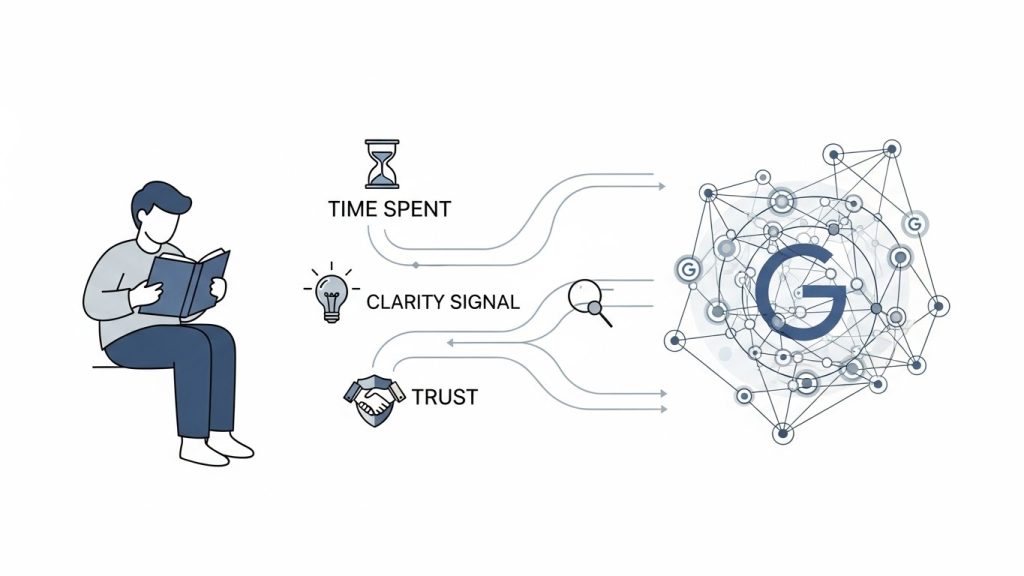
How Google looks at content through user behavior
-
Why clear and simple writing is safer than smart tricks
-
How to write in one clear voice across many topics
-
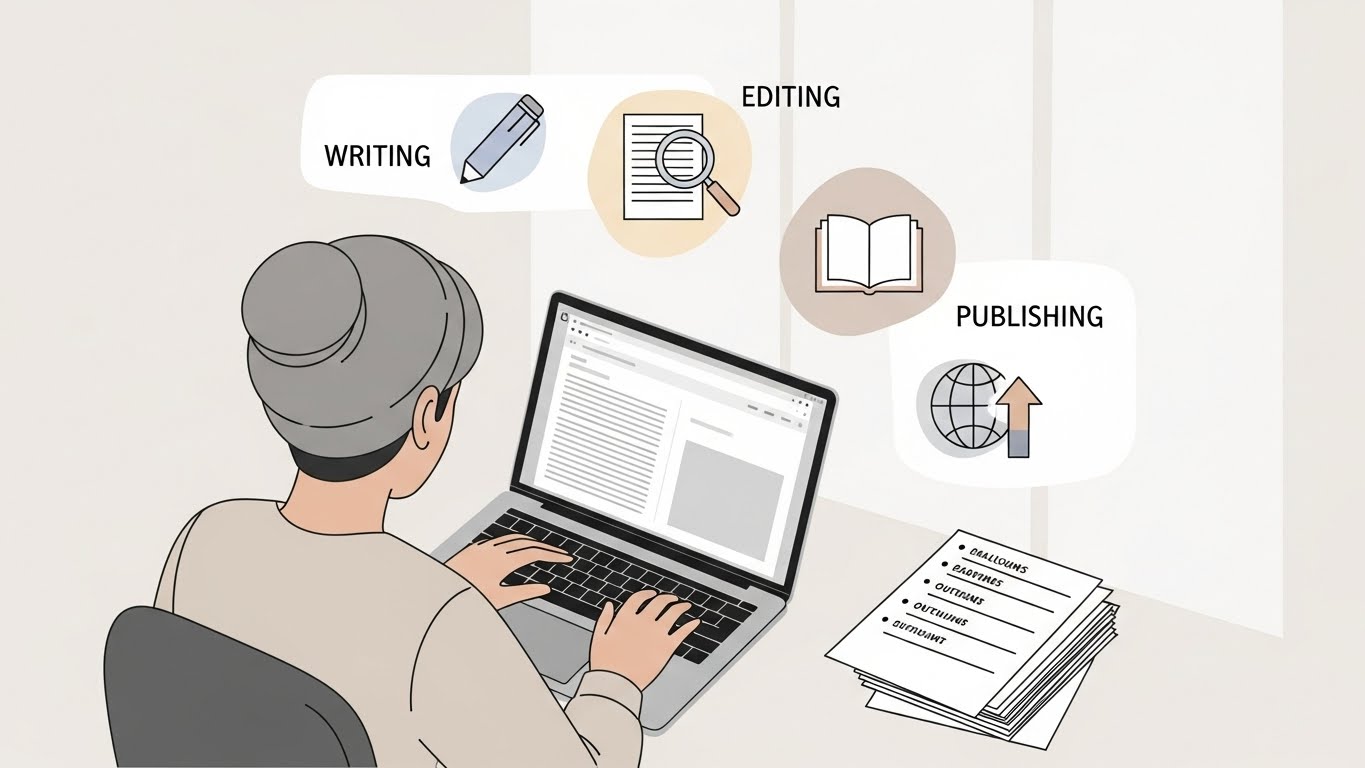
How a beginner can become a writer, editor, and publisher
If you are new, this guide will show you how to think before you write.
If you already write content, this guide will help you avoid mistakes that cause Google problems.
This guide follows one simple rule.
Write for people first.
Use simple and clear language.
Let Google follow naturally.
This article does not teach tricks.
It teaches good writing behavior.
🧠 SECTION 1: How Content, SEO, and Google Really Work Together
Google does not read content like a human. Google watches how people react. If readers understand your content, Google notices. If readers feel confused or leave quickly, Google notices that too.
This is how Google works today.
Google looks at simple things:
-
Is the content easy to read
-
Does it answer the question
-
Does the title match the content
-
Does the site behave the same way over time
Google does not reward tricks anymore. When content is written only for SEO, problems start.
- Keywords get repeated.
- Templates get copied.
- Meaning becomes weak.
Such content may rank for a short time. Later, it often drops. Not because the topic is wrong. But because the writing behavior is wrong. SEO itself is not bad. Bad SEO usage is bad.
Good SEO helps with:
-
Clear titles
-
Clear headings
-
Simple structure
SEO should support writing. It should not control writing.
Simple rule
If your content helps a person even without SEO,
Google will trust it.
🛡️ Google evaluates:
-
Reading clarity
-
User satisfaction
-
Intent match
-
Trust behavior
-
Consistency over time
❌ Google does not reward:
-
Keyword stuffing
-
AI-style repetition
-
Fake authority claims
🔴 Why Google usually “hits” websites
-
Content written only for ranking
-
Repeated templates
-
No real value for readers
Golden Rule
If your content is useful without SEO, Google will trust it.
🗣️ SECTION 2: Single Voice vs Multi-Voice Writing
Many writers think using different styles is smart.
In reality, it creates problems.
What “voice” really means
Voice does not mean how many writers you have.
Voice means how your content speaks.
It shows:
-
Your tone
-
Your role
-
Your attitude toward the reader
✅ Single Voice (Safe)
Single voice means one clear role.
That role is:
-
Explaining
-
Informing
-
Staying neutral
A single-voice website:
-
Explains facts
-
Adds context
-
Lets readers decide
This builds trust.
❌ Multi-Voice (Risky)
Multi-voice means switching roles.
For example:
-
One page explains
-
Another page advises
-
Another page sells
-
Another page judges
This confuses readers. It also confuses Google.
Google sees this and thinks:
“This site does not have a clear purpose.”
Simple example
-
“This article explains how something works” → Safe
-
“You should do this now” → Risky
Simple rule
One website.
One role.
One voice.Explain clearly.
Do not advise.
Do not sell.
📊 Voice Comparison
🎯 SECTION 3: How Writers Tune Their Voice Professionally
A professional writer has one main job. That job is to explain clearly.
A professional writer does not tell the reader what to do.
They do not push decisions.
They do not create pressure.
Instead, they share information in a calm way.
When writers tune their voice correctly, the content feels safe to read. The reader feels respected. The reader feels informed, not forced.
This is important because Google prefers content that feels natural and honest.
When writing sounds aggressive or emotional, trust goes down.
When writing sounds calm and clear, trust goes up.
Good writers also know how to show uncertainty.
If something is not confirmed, they say so.
They do not guess.
They do not predict.
Bad voice habits usually look like this:
-
Creating urgency
-
Using fear
-
Promising results
These habits may work short term.
They damage credibility long term.
A simple voice rule helps here.
- Explain the topic.
- Add helpful context.
- Leave the final decision to the reader.
When writers follow this rule, their content stays safe across all topics.
🔁 SECTION 4: Multi-Project Writing SOP (Standard Operating Process)
Writing for more than one project is common. Most professional writers do this.
Different blogs need different topics. They do not need different behavior.
Topics change.
Writing behavior must stay the same.
This rule protects writers across all projects.
What must stay consistent
These elements should never change, no matter the project.
Changing these creates problems.
What can safely change
These elements are allowed to change.
Changing subjects is normal.
Changing tone is risky.
Simple working process
-
Understand the category
-
Explain the topic clearly
-
Avoid opinions and pressure
-
Review tone before submission
Final rule
Different projects.
Same standards.
This keeps content safe for users and stable for Google.
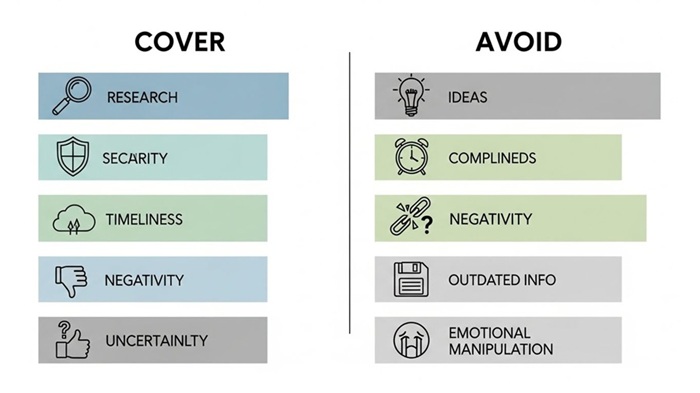
📂 SECTION 5: Category-Wise Writing Guide (Safe Coverage)
Different categories have different limits.
Problems start when writers cross those limits.
This section helps you understand what to cover and what to avoid—without confusion.
Rule to remember:
You can cover many categories.
You must keep one safe writing behavior.
📘 Explainers
Explainer content answers “what” and “why.”
It gives background and context.
🧭 Guides
Guides explain how systems work, not what people should do.
💻 Technology
Technology content explains tools and platforms.
💼 Business
Business writing explains industries and models.
🪙 Crypto
Crypto content must stay educational.
⚖️ Law
Law content explains legal context only.
🏠 Real Estate
Real estate writing explains the market structure.
🎭 Celebrities
Celebrity content focuses on verified facts.
🔍 Fact Checks
Fact-check content separates truth from uncertainty.
🧠 Additional categories (Allowed with limits)
Avoid professional instructions or guarantees.
Why this section matters
Most websites do not fail because of bad writing.
They fail because of wrong category behavior.
When writers cross category limits, problems start quietly.
At first, nothing happens.
Later, trust drops.
Google treats categories differently.
Law is not tech.
Crypto is not business.
Celebrities are not news analysis.
When writers mix roles, Google sees confusion.
When Google sees confusion, it reduces visibility.
This guide helps you avoid that mistake.
If you stay inside category boundaries,
your content feels clear to readers.
It also feels predictable to search engines.
You do not need to be perfect.
You need to be consistent.
Clear limits protect your content.
Clear limits protect your website.
⚠️ SECTION 6: Words to Avoid vs Words to Use
Words matter more than most writers think.
The wrong words can turn good content into risky content.
Google does not punish single words.
Google reacts to patterns of language.
Some words create pressure.
Some words create false certainty.
Some words sound promotional or manipulative.
This section helps you choose safe language.
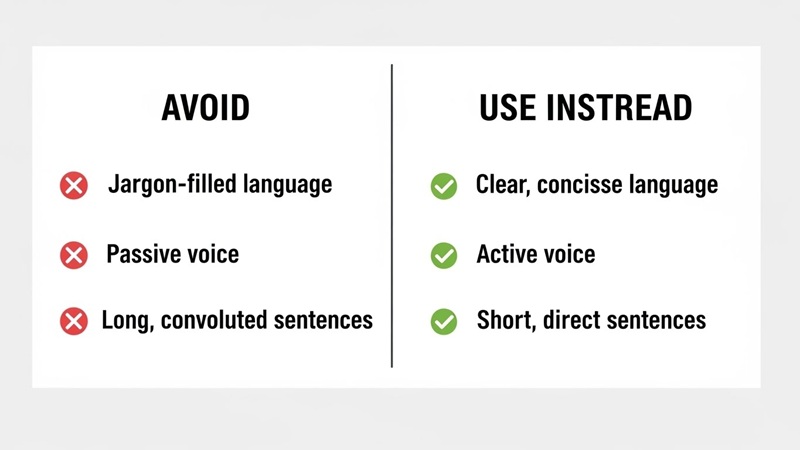
❌ Words and phrases to avoid
These words often create spam, trust, or policy issues.
Using these repeatedly lowers trust.
✅ Safer words to use
These phrases keep content neutral and informative.
These words keep the reader informed, not pushed.
Why this matters
Language controls how content feels.
When content feels calm, readers trust it.
When content feels pushy, readers leave.
Google notices both.
Using neutral language helps in every category.
Tech, business, law, crypto, or celebrities.
You do not need clever words.
You need safe words.
✍️ SECTION 7: Human Writing vs AI-Style Writing
Google does not judge content by who wrote it.
It judges how the content behaves.
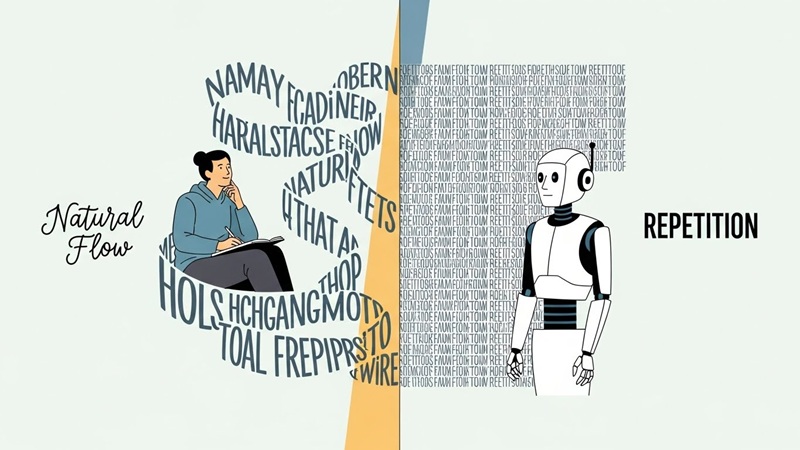
Human writing feels natural.
AI-style writing feels repeated and forced.
Readers notice the difference.
Google follows the reader.
🧠 What human writing looks like
Human writing sounds like one person explaining something clearly.
-
Sentences are not all the same length
-
Ideas flow naturally
-
Words feel chosen, not copied
Human writing focuses on understanding, not output.
🤖 What AI-style writing looks like
AI-style writing often follows patterns.
-
Same sentence shape again and again
-
Repeated phrases across sections
-
Too many keywords
-
Long content with little meaning
This makes content feel mechanical.
Quick comparison
Why this matters
Google does not hate AI.
Google hates machine behavior.
If content feels mass-produced, trust drops.
If content feels written with care, trust grows.
You do not need fancy language.
You need clear thinking.
Write as if you are explaining to one person.
Not to an algorithm.
✅ SECTION 8: Writer STRICT Checklist
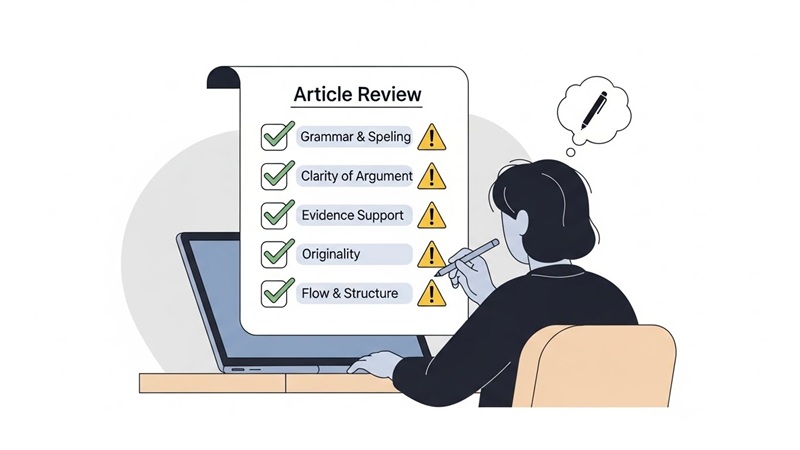
Before submitting any article, every writer should pause and check their work.
This checklist exists to stop mistakes before they cause problems.
A single weak article can hurt trust.
Repeated weak articles can hurt the whole site.
Use this checklist every time.
Writer checklist (must pass all)
If even one box is unchecked, revise the article.
Common writer mistakes
-
Trying to sound too smart
-
Writing to impress Google
-
Adding opinions as facts
-
Using strong claims without proof
These mistakes are easy to miss.
This checklist catches them early.
Simple rule for writers
If you are unsure about a sentence,
remove it or soften it.
Safe writing always wins in the long run.
🧑⚖️ SECTION 9: Editor Guideline (Approval Rules)
Editors are the last safety layer.
Their job is not to polish words.
Their job is to protect the website.
A good editor stops risky content before it is published.
A weak editor lets problems go live.
What editors must check first
Editors should always start with intent.
If intent is wrong, do not edit.
Reject and send back.
Content that must be rejected
Editors should reject content if they see:
-
Advice or instructions
-
Promotional language
-
Hidden sponsored content
-
Gossip or rumors
-
Verdict or judgment language
Even if the article is well written,
these signals are not allowed.
What editors should approve
Editors should approve content only when:
-
The role is clearly explanatory
-
Unconfirmed facts are labeled
-
No pressure or urgency exists
-
Language stays calm and factual
Editors are not writers.
Editors are risk controllers.
Simple editor rule
If content feels unsafe,
it probably is.
Trust instinct, then verify.

🏢 SECTION 10: Publisher Guideline (Risk Control)
Publishers decide what goes live.
They control direction, limits, and risk.
Writers create content.
Editors filter content.
Publishers own the consequences.
A publisher’s job is not speed.
It is stability.
What publishers must control
Publishers should always watch these areas.
Growth without control creates risk.
Common publisher mistakes
-
Publishing too fast
-
Adding too many categories at once
-
Mixing sponsored and editorial content
-
Ignoring small warning signs
These mistakes rarely hurt immediately.
They hurt over time.
How good publishers think
Good publishers think long-term.
They ask:
-
Does this fit the site’s role
-
Does this match our voice
-
Does this increase trust or reduce it
If the answer is unclear, they wait.
Simple publisher rule
If content increases short-term traffic
but reduces long-term trust,
do not publish it.
Consistency always beats speed.

🚨 SECTION 11: Why Google Hits Websites
Google usually does not punish one article.
Google reacts to patterns.
When the same problems appear again and again,
Google reduces trust.
This is why sites drop suddenly.
Common patterns Google targets
One page rarely causes damage.
Repeated behavior does.
What most site owners miss
Google updates are not random.
They follow the same idea.
-
Help users
-
Reduce manipulation
-
Reward clarity
If a site ignores this, visibility drops.
Simple way to stay safe
-
Publish less, but better
-
Keep one clear voice
-
Avoid pressure language
-
Label uncertainty clearly
Trust grows slowly.
It falls quickly.
Key reminder
Google does not attack topics.
Google reacts to behavior.
Fix behavior, not headlines.
🔄 SECTION 12: What to Do If Google Hits a Site
A Google hit feels scary.
Most site owners panic.
Panic makes things worse.
Google drops usually happen because of patterns, not because of one page.
That means recovery is possible.
First thing to understand
❌ Do not delete everything
❌ Do not change the whole site overnight
❌ Do not chase new tricks
Fast reactions often create new problems.
Correct recovery approach
Small corrections work better than big resets.
What usually fixes the issue
-
Making content clearer
-
Reducing repeated templates
-
Removing pressure language
-
Labeling uncertain information
-
Keeping one neutral voice
Google needs time to re-evaluate.
Trust rebuilds slowly.
What recovery is NOT
Recovery is not:
-
A single update
-
A plugin
-
A keyword change
Recovery is behavior correction.
Simple recovery rule
Fix patterns.
Stay patient.
Let Google re-check naturally.
Most sites fail because they overreact.

📈 SECTION 13: SEO — Where It Is Necessary & Where It Is Not
SEO is often misunderstood.
SEO is not about tricks.
SEO is about alignment.
Good SEO helps content get found.
Bad SEO tries to control rankings.
Where SEO is necessary
SEO is useful when it supports clarity.
Here, SEO helps both users and Google.
Where SEO is not necessary
SEO becomes harmful when it controls writing.
When SEO replaces thinking, content quality drops.
Simple way to use SEO correctly
First, write for a human.
Second, organize for clarity.
Third, apply light SEO.
SEO should come after understanding.
Not before.
Final SEO reminder
If SEO makes content harder to read,
SEO is being used wrong.
Clear writing always wins.
🛡️ Final Conclusion
This article is not meant to be read once and forgotten.
If you want to become a professional writer, you need more than information.
You need habits.
Good writing is not built in one day.
It is built by repeating the right behavior again and again.
That is why reading this guide once is not enough.
Read it again.
Read each section slowly.
Return to it when you write.
Return to it when you edit.
Return to it when something feels unclear.
Each section trains a different skill:
-
How to think before writing
-
How to keep one clear voice
-
How to stay inside category limits
-
How to avoid risky language
-
How to write for users, not for Google
When you read these points repeatedly, your habits change.
When habits change, your writing improves.
When writing improves, experience grows naturally.
Professional writers are not born.
They are built.
They build discipline.
They build consistency.
They build trust.
If you follow these principles every time you write,
your content will feel human, clear, and reliable.
Google follows that behavior over time.
Read this guide again.
Practice it daily.
Let your experience grow from correct habits.
That is how real writers are made.
Written by Ghazanfar Iqbal, a Web Developer, Blogger, and SEO Marketer with over 9 years of hands-on experience in content publishing and website development. His work focuses on human-first content, clear editorial practices, and long-term Google-safe publishing strategies. Ghazanfar writes educational content to help beginners understand writing, SEO, and digital publishing in a practical and responsible way.